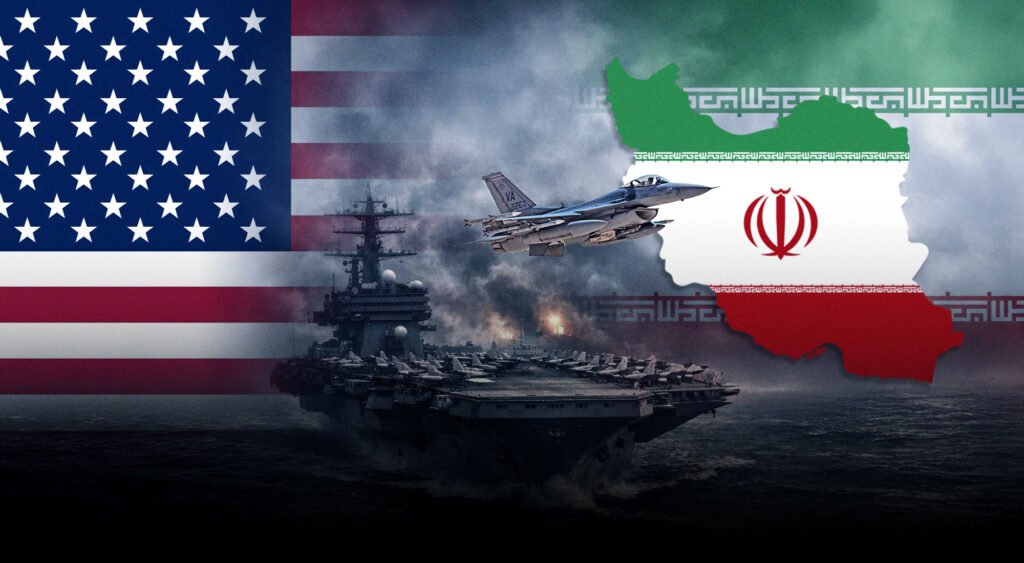
IntroThe year 2026 has arrived with a geopolitical storm that many feared but few were fully prepared for. The long-simmering tensions between the United States, Israel, and Iran have finally reached a boiling point, escalating from proxy shadow wars to a direct, high-stakes military confrontation. For the global community, this isn’t just another regional skirmish; it is a conflict involving a global superpower, a regional military powerhouse, and a nation that sits on the world’s most critical energy arteries.duction
In today’s interconnected world, a war in the Middle East is never “local.” The ripples of a missile launch in the Persian Gulf are felt in the stock markets of New York, the tech hubs of London, and most significantly, the kitchens and boardrooms of India. As the world’s fifth-largest economy and a country that imports the vast majority of its energy, India stands at a critical crossroads. Understanding how this conflict impacts India is not just a matter of academic interest—it is essential for students, investors, and policymakers alike.
Overview of the Conflict: The 2026 Context
Causes of Tension